


Every executive has the same 24 hours in a day, yet some leaders consistently drive more progress, make better decisions, and lead more effectively. The difference often comes down to how they manage their time.
As businesses grow, executives face constant demands, meetings, operational decisions, communication, and long-term planning. Without a clear system for managing priorities, it’s easy to become reactive rather than strategic.
In this guide, we’ll explore practical time management strategies executives can use to protect their schedules, focus on high-impact work, and lead more effectively.
Why Time Management Matters for Executives
Many leaders find their calendars filled with back-to-back meetings, endless emails, and operational tasks that leave little room for strategic thinking. While staying busy may feel productive, it often prevents executives from focusing on the decisions and initiatives that truly move the organization forward.
When leaders spend too much time reacting to daily demands, teams lose direction and opportunities can slip through the cracks. Effective time management allows executives to step back, think strategically, and lead with clarity.
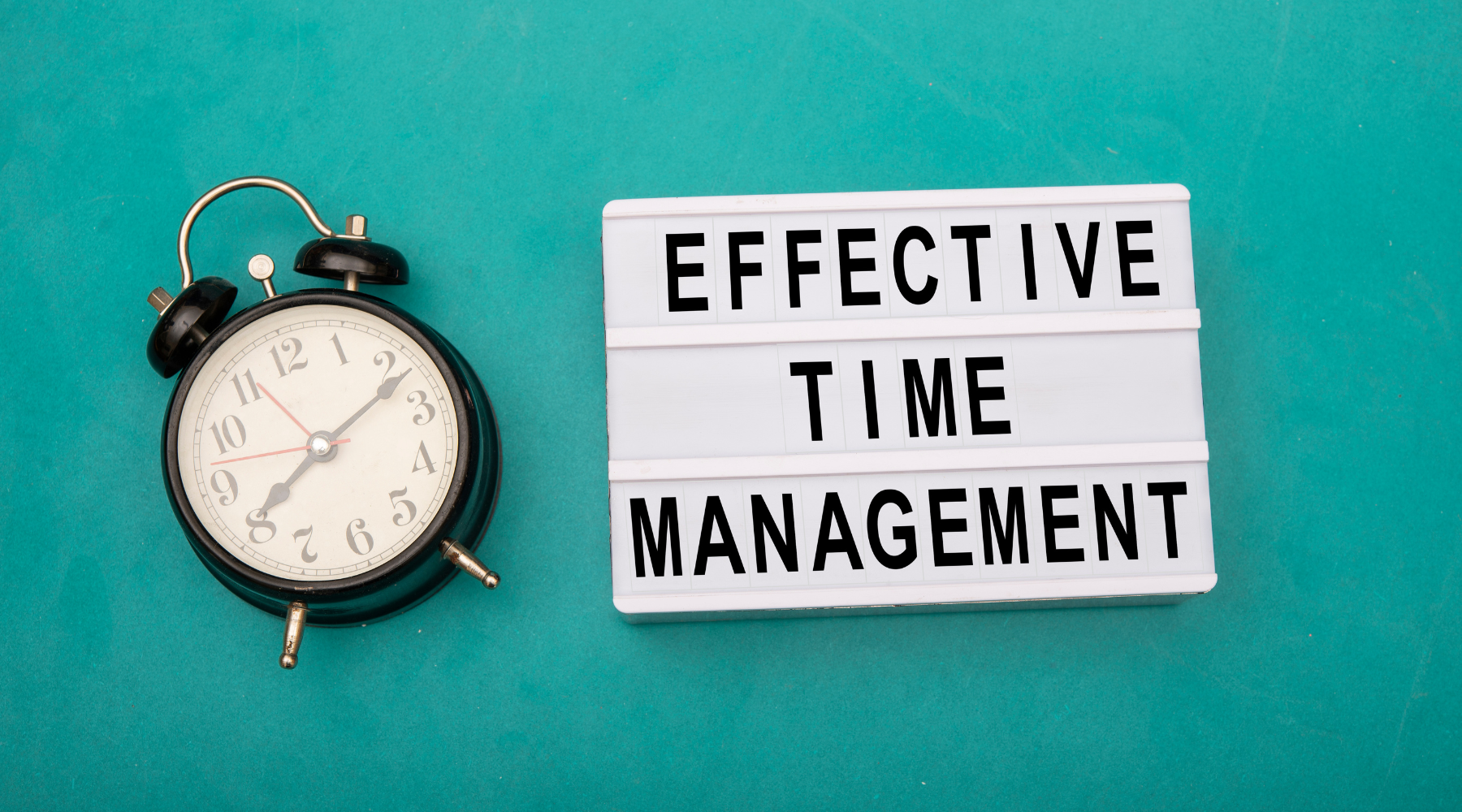
Key Principles of Executive Time Management
Successful executives approach time differently than most professionals. Instead of simply managing tasks, they focus on managing impact.
Prioritize High-Impact Work
Executives should spend most of their time on activities that require their expertise and influence. This often includes strategic planning, leadership development, major decisions, and relationship building.
A simple rule of thumb: if someone else on your team can do it effectively, it may not need to be on your calendar.
Protect Strategic Thinking Time
One of the biggest mistakes executives make is filling every open calendar slot with meetings. However, strong leadership requires time to reflect, analyze trends, and plan future initiatives.
Blocking time each week for strategic thinking allows leaders to step away from daily operations and focus on long-term direction.
Use the 80/20 Rule
The Pareto Principle suggests that 80% of results come from roughly 20% of efforts. For executives, identifying that critical 20% is key.
High-impact activities often include:
- Strategic planning and decision-making
- Building key partnerships
- Hiring and developing leadership talent
- Setting company vision and priorities
By focusing on the small set of activities that drive the most results, executives can dramatically increase their effectiveness.
Practical Strategies to Improve Executive Productivity
There are several simple strategies leaders can implement immediately to improve how they manage their time.
Time blocking is one of the most effective approaches. Instead of reacting to incoming requests, executives divide their calendar into blocks dedicated to deep work, meetings, and strategic planning. This structure protects focus and prevents the day from becoming fragmented.
Another effective approach is batching similar tasks together. Reviewing emails, approving documents, or attending meetings within defined time blocks reduces the productivity loss that comes from constantly switching between tasks.
Finally, leaders can reduce decision fatigue by empowering their teams to handle operational decisions. Delegation not only saves time but also strengthens team ownership and accountability.

The Role of Delegation in Time Management
One of the most powerful ways executives reclaim time is through delegation and strategic support.
Administrative tasks such as calendar management, email organization, meeting preparation, and travel coordination can quickly consume valuable hours each week. When these responsibilities are delegated effectively, executives gain more time to focus on leadership, growth, and innovation.
As management expert Peter Drucker once said:
“There is nothing so useless as doing efficiently that which should not be done at all.” - Peter Drucker
Conclusion: Focus on What Matters Most
Great leadership isn’t about doing more, it’s about focusing on what truly drives results.
When executives manage their time intentionally, they create space for strategic thinking, stronger decision-making, and more effective leadership. By prioritizing high-impact work, protecting their schedules, and delegating lower-value tasks, leaders can dramatically improve both productivity and organizational outcomes.
Ready to Reclaim Your Time?
If administrative work and operational tasks are dominating your schedule, the right support can make a meaningful difference.
Hamilton Raye helps executives reclaim their time so they can focus on strategic leadership and business growth.
Schedule a consultation today and start building a smarter, more efficient leadership workflow.


